
Introduction
All Rummy is a broad keyword used by people searching for information about rummy, its variations, rules and playing methods. Rummy is a family of card games in which players organise cards into meaningful combinations. It is enjoyed in different regions and has developed into several variations with different rules and scoring systems.
The basic idea is easy to understand: arrange cards into valid sequences and sets. However, becoming familiar with a particular version requires understanding its card distribution, turn order, valid combinations and scoring method.
What Is Rummy?
Rummy is a card game based on organising cards into combinations. A sequence usually consists of consecutive cards of the same suit. For example, 4, 5 and 6 of hearts form a sequence. A set generally consists of cards with the same rank but different suits.
The exact requirements depend on the selected variation. Some versions require a pure sequence, while others use different combinations or scoring systems. Therefore, players should never assume that the rules of one rummy version automatically apply to another.
Different Types of Rummy
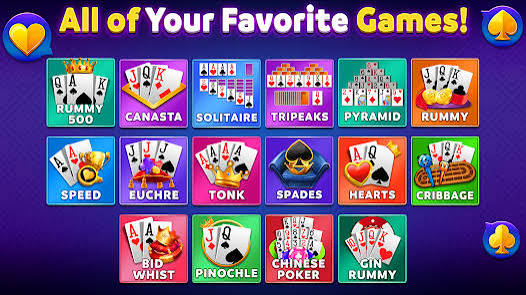
There are several recognised rummy variations around the world.
Indian Rummy: A commonly known format that traditionally uses two decks in many versions and requires players to form sequences and sets.
Gin Rummy: A two-player variation with a different approach to drawing, discarding and scoring.
13-Card Rummy: A format in which each player receives thirteen cards and attempts to arrange them into valid combinations.
Points Rummy: A variation that traditionally uses a points-based scoring structure. Its implementation may differ between platforms.
Pool Rummy: A format traditionally involving cumulative scoring across multiple rounds.
These descriptions explain game formats, not permission to participate in money-based versions. The legal status of an online game depends on its actual structure and applicable regulations.
Understanding Basic Rummy Rules
Most traditional rummy games include a few common elements.
First, cards are distributed among the players. Each player studies their cards and identifies possible combinations. During a turn, a player draws a card from an available pile and discards another card according to the rules.
The process continues until a player meets the required declaration conditions or the round ends. The final scoring depends on the variation.
A beginner should learn the following terms:
- Sequence: Consecutive cards of the same suit.
- Set: Cards of equal rank from different suits.
- Pure sequence: A sequence formed without a joker, where required.
- Joker: A card that can substitute for another card under the relevant rules.
- Discard pile: The pile containing previously discarded cards.
Why Do People Search for All Rummy?
People search for all rummy to learn about different formats, understand rules and find suitable recreational card games. Some are beginners looking for tutorials, while others want to compare traditional variations.
Educational content can help readers understand the difference between game formats instead of relying on incomplete instructions.
Skills Involved in Traditional Rummy
Rummy can involve observation, memory, planning and logical thinking. Players need to remember which cards have been discarded and consider how their combinations may change as new cards become available.
However, these skills do not guarantee a particular result. Card games involve uncertainty, and outcomes depend on the specific rules and cards dealt.
Online Safety and Legal Awareness
When exploring online rummy, distinguish between social entertainment and games involving money or other stakes. India’s Promotion and Regulation of Online Gaming Act, 2025 prohibits online money games. The associated 2026 Rules provide the regulatory framework.
Users should avoid services promoting monetary winnings or deposits. Read the privacy policy and check the official status of an application before accessing it.
Frequently Asked Questions
Q1. What does all rummy mean?
It refers to the different rummy variations, rules and formats available for learning and entertainment.
Q2. Is rummy difficult for beginners?
The basic concepts are relatively simple, although different variations have additional rules.
Q3. What is a sequence in rummy?
It is a group of consecutive cards from the same suit.
Q4. Are all rummy versions identical?
No. The number of cards, combinations, scoring and winning conditions vary.
Conclusion
All Rummy is an informative topic for anyone interested in traditional card games. Learning its variations and terminology provides a strong foundation for understanding the game. Beginners should start with clear instructions and permitted non-money recreational formats. Understanding the rules, protecting personal information and following applicable laws are essential parts of a safe digital gaming experience.