
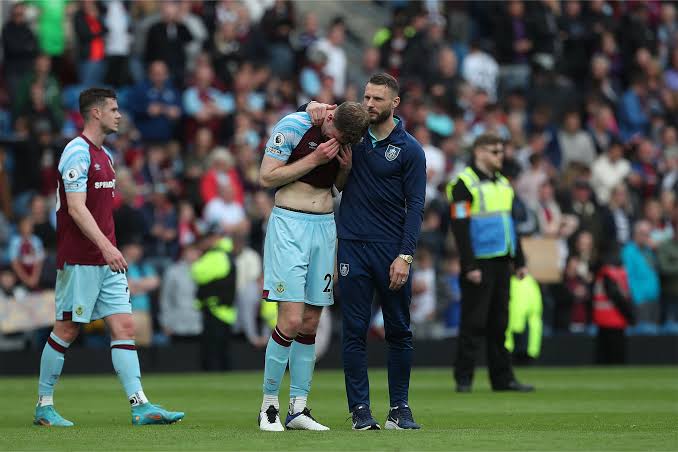
The final third of the 2009/2010 Premier League campaign produced high-friction relegation encounters where survival stakes fundamentally altered in-match tactical behavior. Outfits such as Portsmouth, Hull City, Burnley, West Ham United, and Wolverhampton Wanderers operated under extreme pressure, where dropped points meant severe structural and financial demotion. This high-stress environment caused teams to abandon methodical passing play in favor of aggressive physical challenges, tactical fouls in transition, and frantic box defending. For analytical participants evaluating derivative proposition lines, late-season relegation six-pointers consistently generated statistically elevated floors for bookings, expulsions, and penalty awards that standard season-long averages failed to reflect.
High-Stress Survival Stakes and Tactical Desperation
When clubs faced immediate relegation threats in the spring of 2010, the fear of conceding early goals forced managers to deploy aggressive containment strategies. Players committed cynical tactical fouls high up the pitch to disrupt counter-attacks before opposing attackers could isolate vulnerable, slow center-backs. This heightened defensive desperation transformed routine aerial duels and touchline challenges into booking events, systematically inflating the total foul-to-card conversion rate compared to autumn baseline matches.
Evaluating these match dynamics required monitoring live market adjustments across specialized wagering channels before kickoff lines stabilized. Observing real-time liquidity changes and derivative card spreads on เดิมพัน ufa168 demonstrated how sharp price discovery shifted toward higher booking totals, rewarding disciplined handicappers who recognized that relegation-threatened underdogs routinely exceeded standard booking point projections when defending narrow leads.
Statistical Profiling of Disciplinary Outliers Among 2009/2010 Relegation Contenders
A detailed review of disciplinary data from the 2009/2010 campaign reveals clear correlations between points-per-game distress and elevated card metrics. Teams mired in the drop zone registered significantly higher booking counts during head-to-head encounters against fellow strugglers than during fixtures against mid-table opponents who lacked competitive urgency.
| Relegation Contender | Total Yellow Cards | Red Cards Conceded | Total Penalties Conceded | Avg Cards in Head-to-Head Relegation Matches |
| Portsmouth | 72 | 4 | 8 | 4.8 |
| Hull City | 68 | 6 | 7 | 5.2 |
| Burnley | 61 | 3 | 9 | 4.4 |
| West Ham United | 64 | 4 | 5 | 4.6 |
| Wolverhampton Wanderers | 63 | 2 | 4 | 4.1 |
The empirical records confirm that teams fighting relegation committed a substantial volume of high-risk defensive actions inside their defensive third. Portsmouth and Hull City’s combined ten red cards and fifteen conceded penalties highlight how defensive recovery deficits and tactical panic directly produced high-value opportunities across penalty-awarded and over-card proposition boards throughout the run-in.
The Mechanism of Penalty Concessions Under Box Compression
The primary catalyst for penalty awards in relegation clashes was the breakdown of defensive organization during sustained second-half pressure.
Attacking Overload Penetrates Penalty Box
│
▼
Tired Defender Forced into Reactive Recovery Tackle
│
▼
Late Foot Contact or Desperate Shirt Pull
│
▼
Whistle Blown ──> Elevated Penalty Concession Rate
This sequence illustrates why relegation-threatened backlines, fatigued by defending sustained territorial pressure, committed clumsy fouls inside the eighteen-yard box at rates far higher than top-half clubs possessing calm positional discipline.
Referee Strictness and Variable Card Tolerance in High-Tension Matches
The assignment of the match official served as a vital multiplier when forecasting disciplinary markets in 2009/2010 bottom-table clashes. Referees who enforced low tolerance for dissent and early persistent infringement rapidly escalated match card counts, forcing panicked defenders to play on cautions for extended periods.
Managing exposure in high-variance derivative markets requires careful situational context, in stark contrast to the static probability models encountered across an online betting destination providing traditional table entertainment. In live relegation football, an aggressive referee paired with two physically direct survival contenders created compounded foul-card cycles that consistently cleared booking totals within the opening sixty minutes.
Fatigue, Second-Half Disciplinary Breakdowns, and Red Card Escalation
The concentration of bookings in relegation matches followed an asymmetric distribution heavily skewed toward the final thirty minutes. As physical conditioning deteriorated under high-tempo pressure, defenders mistimed sliding tackles on advancing forwards breaking into space.
- Frustration Bookings: Trailing teams facing impending relegation frequently committed reckless fouls late in the match, inflating card counts during stoppage time.
- Professional Fouls to Deny Clear Chances: Defenders deliberately accepted straight red cards or second bookings to prevent uncontested breakaways.
- Dissent and Mass Confrontations: High emotional tension around contested referee decisions often generated multi-card incidents following penalty awards.
Anticipating these late-game behavioral patterns allowed bettors to identify lucrative opportunities in in-play disciplinary markets, specifically targeting second-half card totals when early physical friction signaled impending defensive collapses.
Identifying Failure Modes in Relegation Market Models
Despite the overall tendency toward elevated card and penalty frequencies, blind over-betting on disciplinary markets introduced specific operational risks. When two survival candidates settled for a mutually beneficial low-risk draw late in the season, both sides frequently avoided aggressive tackling to protect a point, resulting in surprisingly low foul counts.
Furthermore, early match injuries to key attacking transition players occasionally turned relegation clashes into sluggish, disjointed affairs where neither team generated the penalty-box penetration necessary to draw fouls. Bettors who failed to verify whether a match demanded an outright victory or allowed a safe share of the spoils often found their card and penalty projections severely undermined.
Summary
Bottom-table Premier League clashes during the 2009/2010 season created distinct statistical surges in yellow cards, expulsions, and penalty decisions. The existential pressure of avoiding relegation triggered aggressive tactical fouling, desperate box defending, and heightened emotional volatility that standard league models consistently underpriced. Capitalizing on these high-stress fixtures required analyzing head-to-head survival stakes, fatigue-induced second-half breakdowns, and referee disciplinary strictness to isolate premier value in specialized proposition markets.